
PowerPoint’s fill options for shapes are extensive. The texture fills for shape incidentally are not too different from picture fills, other than the fact that they can be tiled. PowerPoint includes a built-in library of textures, and you can also import any picture, to be used as a texture. Before we get into textures, it’s important to understand how PowerPoint treats them differently from pictures. Yes, both textures and pictures are bitmaps saved in pixel based formats like JPEG, GIF, BMP, PNG, TIFF, etc. The main difference between textures and pictures is that while textures are seamless, bitmaps are not necessarily seamless. Seamless means that if you tile up a texture, it will not show any edges while tiling thus providing an illusion of a seamless expanse.
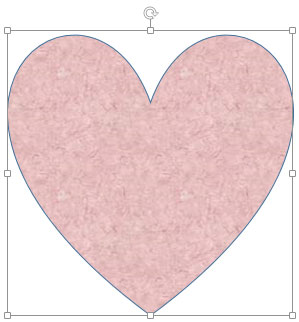
Learn how to add a texture fill to a selected shape in PowerPoint 2013 for Windows.
Related Posts
 PowerPoint's fill, line, and effect attributes enable you to customize the look of shapes and other slide objects in your presentation. However, it ma...
 Shape fills such as solid colors, gradients, pictures, and textures can have a transparency attribute that lets you reduce the opacity of a fill so th...
 After learning how to add different fills for shapes in PowerPoint 2013, now its time to learn how to remove any fill from a shape so that your shape ...
 You have already learned how to add different fills for shapes. Just like the Pattern fill option, there is one more hidden shape fill option which yo...