
This is the print version of this page. All content is copyright Indezine.com 2000-2026.
Thoughts and impressions of happenings in the world of PowerPoint and presentations, continuously updated since 2003.
See Also:
PowerPoint and Presenting Notes
PowerPoint and Presenting Glossary
We explored the Clip Organizer previously, especially its interface. However, the real benefit of using Clip Organizer is only if you add your frequently used clips within its Collections. There are essentially two ways to add clip media — in this tutorial we’ll explore them.
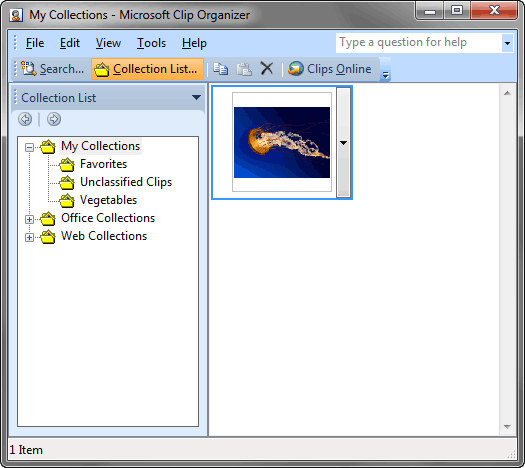
Learn how to add clip media to the Clip Organizer.
Filed Under:
PowerPoint 2010
Tagged as: Clip Media, Graphics, PowerPoint 2010, Tutorials
Comments Off on Learn PowerPoint 2010 for Windows: Adding Clip Media to the Clip Organizer
Handshake pictures again? Not if you can get more ideas about how to go beyond this clichéd concept, as explained in this new article! We then show how the Pie shape can be used to create more shapes such as the Pacman shape. You can also explore Creative Commons and the use of pictures. And we have a guest column from Jerry Weissman who talks about why audiences revolt against PowerPoint. And then we explore Pixabay, a fantastic source of pictures. PowerPoint 2013 users can learn about text fills of various types such as pictures, textures, and gradients. PowerPoint 2010 users can explore viewing Sections and adding clips to the Clip Organizer. And don’t miss the new discussions and templates of this week!

Read Indezine’s PowerPoint and Presenting News.
Filed Under:
Ezine
Tagged as: Ezine, Indezine, News, PowerPoint
Comments Off on PowerPoint and Presenting News: April 21, 2015
First of all, why would you need to highlight text? One answer could be that you want to emphasize some important words or phrases within your slide. There is no ready to use tool within PowerPoint — on both Windows and Mac versions. At least within the Windows versions such as PowerPoint 2013, you can use Word’s highlighting options as a workaround — but this workaround does not work with PowerPoint 2011 for Mac — so we will use fake highlighting for the text, which also works extremely well.

Learn how to fake highlight text in PowerPoint 2011 for Mac.
Filed Under:
PowerPoint 2011
Tagged as: Office for Mac, PowerPoint 2011, Text, Tutorials
Comments Off on Learn PowerPoint 2011 for Mac: Fake Highlight Text
PowerPoint offers so many shapes, from simple rectangles and ovals to playful options like pies and smiley faces. While you can use these shapes as-is, you can also get creative by using the Merge Shape commands to design your own unique shapes. But even without creating new designs, there are endless possibilities for using existing shapes in innovative ways. Today, we want to focus on one of these versatile options: the Arc shape. With its curved lines and customizable size, this shape can be a useful tool for adding dimension and visual interest to your presentations.

Explore how you can draw an Arc shape in PowerPoint.
Filed Under:
PowerPoint All Versions
Tagged as: Graphics, PowerPoint, Shapes, Tutorials
Comments Off on Drawing Arcs in PowerPoint
Before we start discussing the Clip Organizer in PowerPoint 2010, it’s important to first understand its scope. At the most basic level, the Clip Organizer is an entry level digital asset management tool that lets you organize your clip media. However, PowerPoint just interfaces via this option to a tool called the Clip Organizer that you can also launch as a separate standalone program. And adding media via PowerPoint is just the beginning — you can do so much more with the Clip Organizer.

Learn about the Clip Organizer in PowerPoint 2010 for Windows.
Filed Under:
PowerPoint 2010
Tagged as: Clip Media, Graphics, PowerPoint 2010, Tutorials
Comments Off on Learn PowerPoint 2010 for Windows: Clip Organizer
Microsoft and the Office logo are trademarks or registered trademarks of Microsoft Corporation in the United States and/or other countries.